
Looking after women's wellbeing at home and in the community
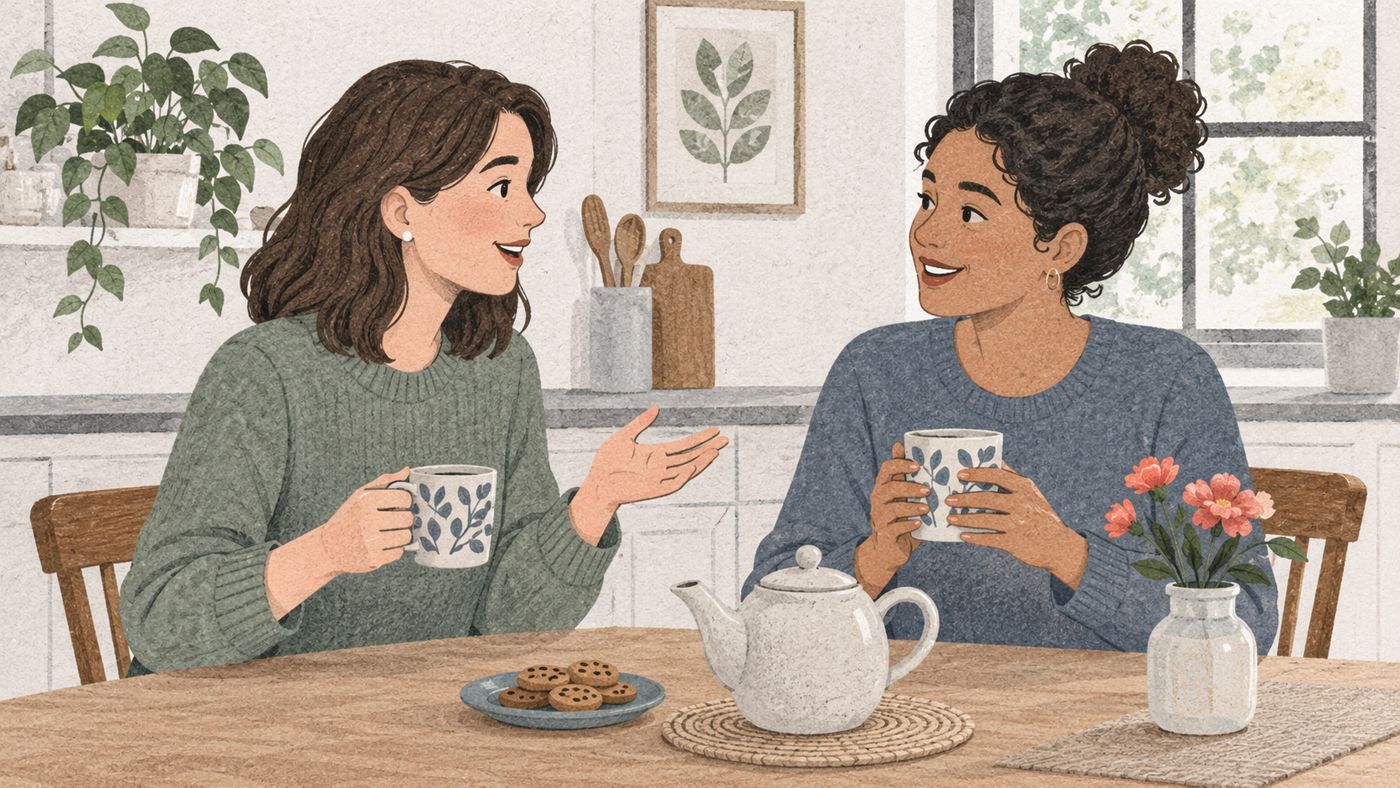
Mothers and carers spend so much energy looking after everyone else that their own health can slip to the bottom of the list. This page gathers practical ways families can share the load, keep an eye on mental health, and build support around the women in their lives. It is general information and not medical advice; for anything concerning you, your GP or child health nurse is the right starting point.
Sharing the mental load fairly
Much of the invisible work in a household, remembering appointments, planning meals, keeping track of school notes and nappies, sits with one person. Naming that work out loud is the first step to sharing it.
- Write down every recurring task and who does it, then redistribute the ones that cluster on one person.
- Book appointments in a shared calendar so reminders reach both parents, not just the one who usually manages them.
- Let partners, dads and co-parents own tasks fully rather than "helping", which includes the planning and follow-up.
Beyond Blue has a dedicated section on parenting and mental health, covering mental health in the home, which is worth a look for the whole household1.
Keeping up with health checks
Doctors routinely check new mothers for postnatal depression symptoms in the months after birth, so attending those appointments matters2. Partners can support this by handling the baby in the waiting room, driving, or taking older siblings to kindy so the appointment actually happens.
If you have a partner recovering from a caesarean, our article on finding your feet after a caesarean birth covers what the first weeks at home can involve.
Knowing the signs of postnatal depression
Postnatal depression is common and can affect any new parent; it affects about 1 in 7 women in the first year after having a baby2. It is not just a mothers' issue: up to 1 in 10 fathers experience depression around the time of a baby's birth2.
Symptoms can include low or numb mood, hopelessness, worthlessness, changes in sleep or appetite, tiredness, poor concentration, losing interest in your baby, and thoughts of harming yourself or your baby2.
It helps to know the difference from the baby blues. About 4 out of 5 new mums experience the 'baby blues' in the first 3 to 5 days after birth, usually because of hormonal changes, and they usually pass on their own within 10 days2. In postnatal depression, symptoms last longer than 2 weeks, may be more severe, and usually interfere with normal functioning2. Depression signs are sometimes missed or dismissed as a normal part of life with a new baby, so awareness of the common signs matters2.
If you notice symptoms, talk to your doctor, midwife or child health nurse; they may ask how you are feeling, give you a questionnaire, speak with your partner, or do a physical examination2. Seeking help early is best for both parent and baby, and there is no need to feel ashamed2.
Managing everyday stress
Stress is a common, normal physical response to challenging or new situations, and it affects everyone differently3. It becomes problematic when it lasts a long time, or when you feel overwhelmed and unable to cope3.
Helpful habits at home:
- Relaxation options include slow breathing, progressive muscle relaxation, mindfulness, meditation, yoga and exercise3.
- You can prepare for stress by learning your triggers, setting small goals, recognising the stress will pass, asking family and friends for help, and practising saying no when overloaded3.
- Unhealthy coping strategies to avoid include avoiding stressors or other people, using drugs or alcohol, restricting your diet, and self-harm3.
You should see a doctor if stress persists despite relaxation and coping techniques, disrupts regular activities, drives unhealthy coping, changes appetite or sleep, or brings thoughts of self-harm or suicide3.
Small supports that add up
Sometimes it is the small things that steady a household. Our wellbeing picks for a calmer home offer simple starting points, and the list of ten wellbeing items parents can't live without covers items that make daily life a little easier for both parents and carers.
Beyond Blue offers six free sessions with a mental health coach for people stressed or overwhelmed by everyday issues such as work, relationships, health or loneliness1. It also runs anonymous online peer support forums where you can read, share and learn from people with lived experience1.
Where to call when you need support now
- If someone is in immediate danger or having suicidal thoughts, call triple zero (000)2.
- Lifeline offers 24/7 crisis support by phone on 13 11 144.
- PANDA's National Helpline for perinatal anxiety and depression can be reached on 1300 726 3062.
- Pregnancy, Birth and Baby offers maternal child health nurse calls on 1800 882 436 or video call, available 7am to midnight (AET), 7 days a week2.
- MensLine Australia is a free telephone and online counselling service supporting Australian men anywhere, anytime, which can be useful for dads and non-birthing parents carrying stress too4.
If practising mindfulness or other coping strategies causes discomfort, stop and talk to your doctor5. Keeping the wellbeing of mothers and carers visible in the household is not a one-off job; it works best as something the whole family returns to again and again.
Sources
- Get support, Beyond Blue
- healthdirect, healthdirect
- healthdirect, healthdirect
- Lifeline, Lifeline
- healthdirect, healthdirect
We wrote this page from the public sources listed above, checked on 26 November 2026. Check the source for current advice.