
Making co-parenting work for everyone
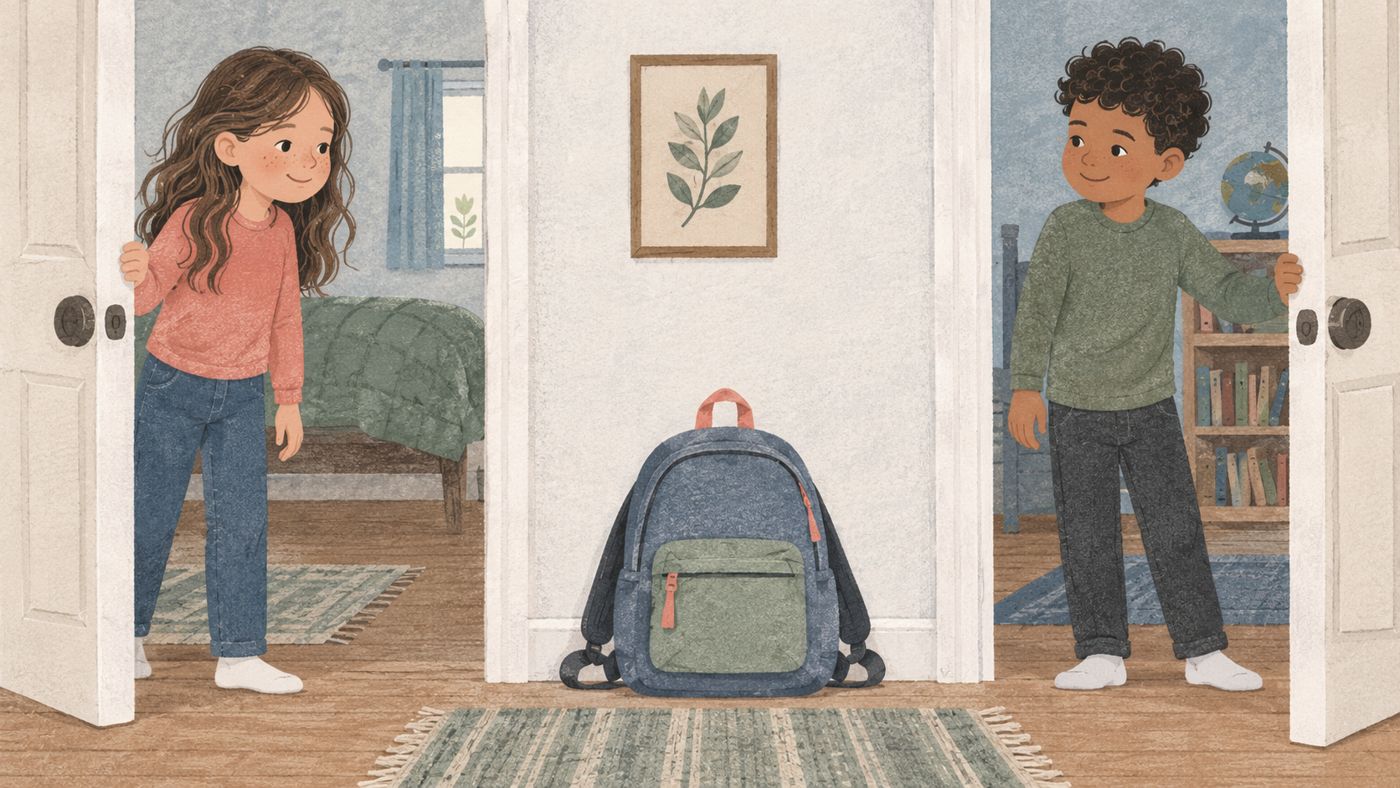
Co-parenting means separated parents sharing the tasks and responsibility of raising their child, and for most children it works best when both parents co-operate on plans and allow the child a relationship with each parent. The good news is that the things that make co-parenting work, calm communication, consistent rules and keeping conflict away from the kids, are skills anyone can practise. This page is general information rather than legal or medical advice, so for matters specific to your family, a GP, child health nurse or family lawyer is the right port of call.
The decisions co-parents share
Separated parents need to make decisions together about living arrangements, the child's health and education, contact arrangements, and how special occasions are handled1. Getting these onto paper early, even informally, saves revisiting the same argument every school holidays.
Australia's Family Law Act presumes most children benefit when both parents support the child, co-operate on plans, and allow the other parent a relationship with the child, and changes were made to the Act in May 2024, with details on the Attorney-General's Department website at ag.gov.au1. Families in Western Australia deal with the Family Court of WA directly1.
Putting arrangements in writing
Two options sit between an informal handshake and a courtroom:
- A parenting plan is a written agreement covering time with each parent, holidays, education, health care and financial care. It does not involve court, but it is not legally enforceable1.
- Consent orders cover the same ground but are legally enforceable. They must be approved by the court, though neither parent needs to attend1.
For money matters, a child support assessment works out how much support is payable based on both parents' incomes and family circumstances, and a binding child support agreement made through Services Australia can cover cash payments plus non-cash payments such as school fees, with each parent advised to get legal advice first1.
Keeping communication calm
Co-parenting works better for children when parents communicate calmly, live near each other, keep rules and rewards consistent, and encourage the child's relationship with the other parent1. In practice, that often means:
- Keep day-to-day messages short, factual and about the child, not the relationship.
- Pick your moments: a rushed handover in the car park is not the time to raise a grievance.
- Treat the other household's routines with respect, and expect the same back.
Some of the same habits that keep coupled parents on track also help here, such as scheduling calm time to talk, not bottling up feelings, listening without always trying to fix problems, and discussing roles and expectations2. If you are juggling co-parenting with paid work, our guides on five work from home tips for parents and three ways to separate work and home may help you protect the time you do have with the kids.
Consistency across two homes
Co-parenting works better for children when parents keep rules and rewards consistent, so aim for a similar approach to routines and consequences at both houses. Discipline also works best when both parents use the same approach, and a family health nurse or doctor can suggest suitable parenting courses3. You do not need identical rules, but agreeing on the big ones, screen time, bedtime, how you respond to tantrums, spares your child the whiplash of competing standards.
Where a child is adjusting to a big change, such as a new baby in the family, it helps to be extra patient with difficult behaviour3.
Protecting children from conflict
Children do not need to hear disagreements about money, new partners or old hurts. Keep handovers neutral, never ask a child to carry messages between houses, and avoid criticising the other parent in the child's earshot. If you find yourself slipping, apologise and move on; children learn from watching how you repair things, since parents are their child's most important role model for how to behave3.
A parent's own emotional state matters too. Men are at higher risk of postnatal depression or anxiety if they have past depression, little social support, financial stress, a sick baby, drug or alcohol addiction, unrealistic parenting expectations, or major relationship or life challenges2. If you are struggling, support is available.
Support when you need it
If parents cannot agree, options such as family relationship centres, counselling and dispute resolution are cheaper and less stressful than court, and the Family Relationship Advice Line is 1800 050 3211. Support contacts for separated parents include Relationships Australia on 1300 364 277 and Kids Helpline on 1800 55 18001. Parents can go straight to the Family Court without dispute resolution if the child may be at risk of abuse or family violence, if illness or distance prevents co-parenting, if the matter is urgent, or if the other parent refuses to negotiate or follow existing orders1.
For parents managing more than one child through a rough patch, our article on parenting several children through a crisis has ideas worth borrowing, and if you are in a new relationship while co-parenting, the piece on making time for your partner after children may be useful. Families with diverse structures can find resources from Rainbow Families at rainbowfamilies.com.au, or QLife on 1800 184 527 or webchat from 3pm to midnight daily, with all calls anonymous and free2. Being able to ask for and accept help is important for a smooth transition, and Relationships Australia offers counselling and education4.
Sources
- Co-parenting - things to consider when your relationship breaks up, Pregnancy, Birth and Baby
- Becoming a dad, Pregnancy, Birth and Baby
- Encouraging good behaviour in toddlers, Pregnancy, Birth and Baby
- Tips for new parents, Relationships Australia
We wrote this page from the public sources listed above, checked on 26 November 2026. Check the source for current advice.