
A self-esteem guide and worksheet for children
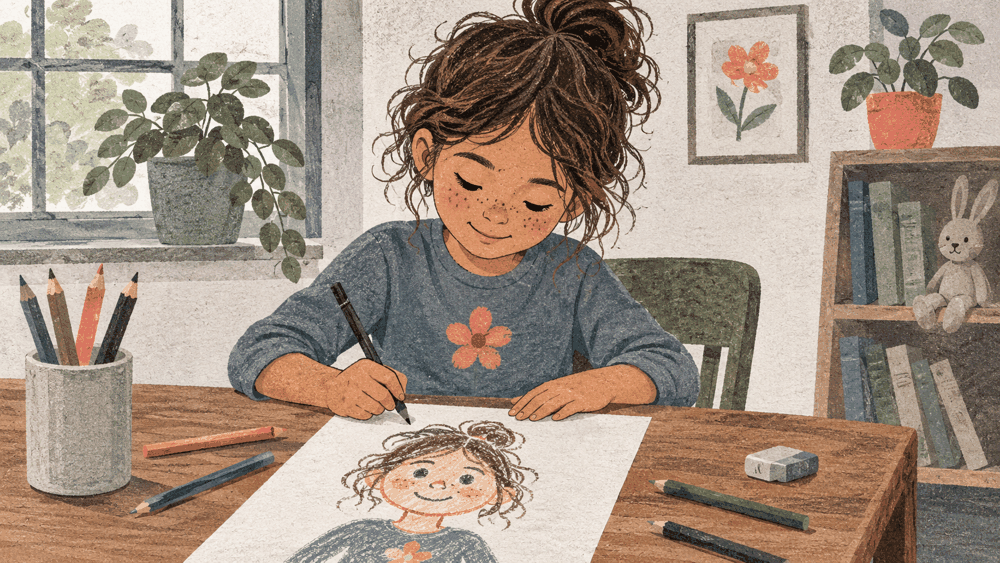
Healthy self-esteem grows from small, everyday moments: being noticed, trying hard things, and learning that mistakes are part of learning. Here are practical ways to build it, plus worksheet prompts you can print and use tonight.
This page is general information, not medical advice.
Everyday ways adults build self-esteem
- Notice the good stuff. Deliberately look for good behaviour and praise it when it happens, because actively looking makes you more likely to see it1.
- Be descriptive. Say 'Well done for putting your toys back in the right box' rather than a vague 'good boy', since specific praise teaches a child exactly what they did well1.
- Let them act it out. Role play and drawing give children a way to express feelings and work through situations that upset them2.
- Model it yourself. Talk aloud about how you manage your own feelings, since children copy the adults around them.
Strong emotional development supports resilience, confidence, good relationships, persistence and better school performance2.
Dads, carers and solo parents all build self-esteem the same way: through warm attention and clear, kind expectations. Consistency helps, so agree on an approach with everyone who cares for your child.
Worksheet prompts
Print these and let your child write or draw their answers.
- Three things I am good at
- A time I got something wrong, then tried again
- Something kind I did for someone this week
- What I would tell a friend who feels sad about making a mistake
- One thing I want to learn this year
- What makes me feel proud of my family
- A picture of me being brave
More support
If you want structured help, Triple P is an evidence-based parenting program with practical strategies for building family relationships, available to parents of children from birth to 16 years3.
Pair the worksheet with our growth mindset worksheet for children to reinforce that abilities grow with effort, and our page on self-kindness and affirmations for children for gentler inner talk. Looking after yourself matters too: our article on postnatal recovery and five gentle self-care ideas covers where body gua sha fits. If your child is coping with unfairness in the world around them, our guide to how racism and unfairness affect children may help you talk it through.
Sources
- Encouraging good behaviour in toddlers, Pregnancy, Birth and Baby
- Helping your child deal with their emotions, Pregnancy, Birth and Baby
- Triple P, healthdirect
We wrote this page from the public sources listed above, checked on 26 November 2026. Check the source for current advice.